Your check engine light came on, and now you’re wondering whether it’s a five-dollar fix or a five-thousand-dollar one. The honest answer: it could be either — the light is a messenger, and the message ranges from “tighten your gas cap” to “your catalytic converter is dying.” Here are the 8 most common reasons your check engine light is on, roughly from cheapest to most serious.
A quick note first: the light triggers a stored trouble code that points to a system, not the exact failed part. That’s why confirming the real cause takes a real diagnosis, not a guess.
The Most Common Reasons Your Check Engine Light Is On
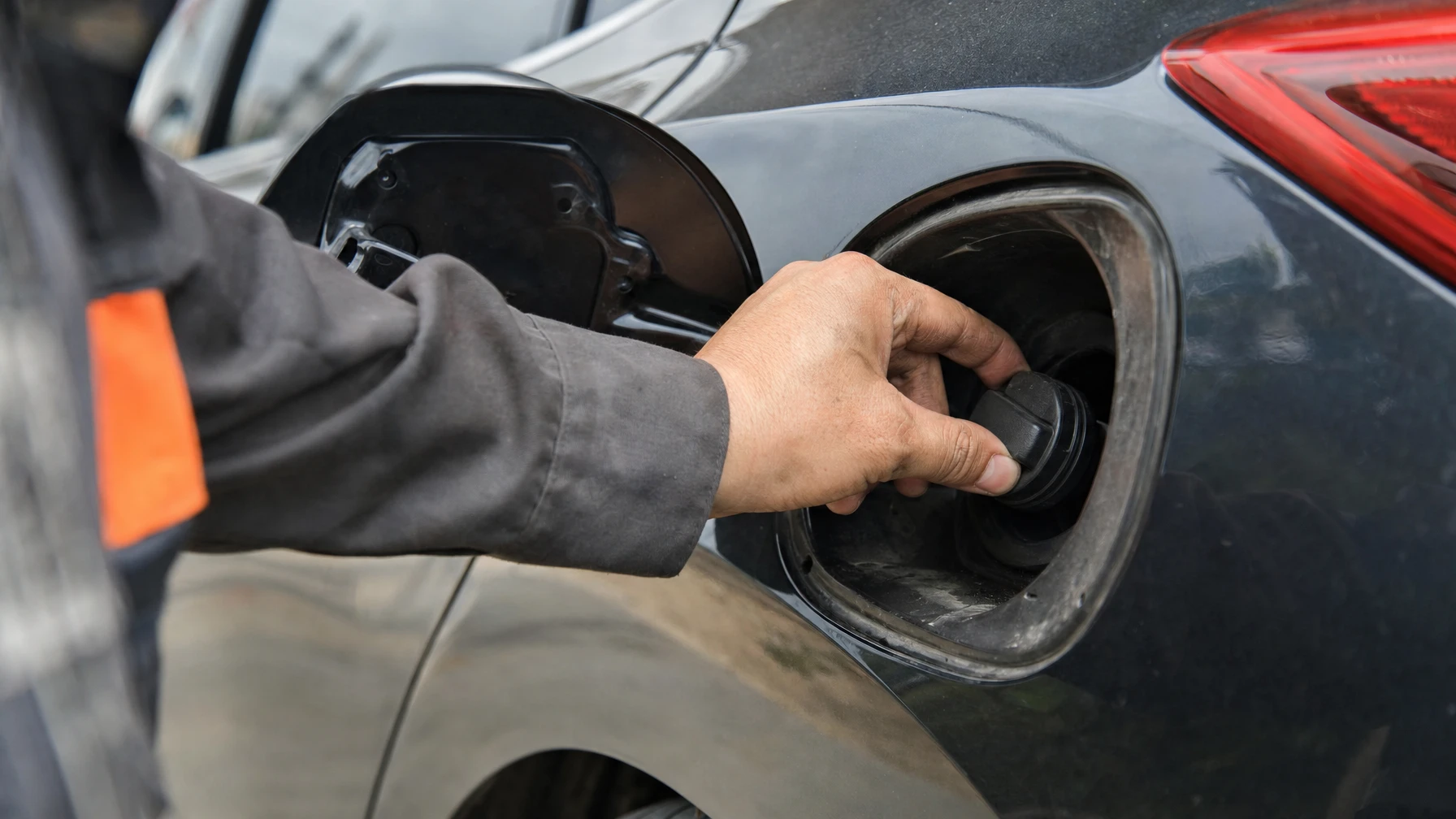
1. A Loose or Failing Gas Cap
It’s the most common trigger, and the cheapest. A loose, cracked, or worn gas cap lets fuel vapor escape and trips an emissions code. Tighten it (or replace it) and the light often clears after a few drive cycles. If it doesn’t, that’s exactly what a check engine light diagnostic sorts out next.
2. A Failing Oxygen (O2) Sensor
The O2 sensor measures exhaust oxygen to fine-tune your fuel mixture. When it fails, you get worse fuel economy, higher emissions, and a check engine light. Common and very fixable.
3. Spark Plugs or Ignition Coils (A Misfire)
Worn spark plugs or failing coils cause a misfire — rough running, weak power, and a check engine light. If the light is flashing, the misfire is active and serious (see our guide on a flashing check engine light).
4. The Mass Airflow (MAF) Sensor
The MAF measures incoming air so the computer can match fuel to it. A dirty or failing MAF throws off that calculation, causing rough idle, stalling, and a light.
5. The Catalytic Converter
This is the expensive one. The cat cleans your exhaust, and when it fails — often because an ignored misfire cooked it — you get a check engine light, poor performance, and a hefty repair. Catching the smaller problems early is how you avoid this one.
Light on and want to know which of these it is? Call or text Big Tee at (770) 780-0730 — we'll pull the code and confirm the real cause.
6. An EVAP / Emissions Leak
The evaporative emissions system captures fuel vapor. A small leak — sometimes from that same gas cap, sometimes a hose or valve — sets a code. Usually minor, but worth confirming.
7. A Weak Battery or Charging Problem
Low voltage and charging-system issues can trigger a check engine light along with other electrical gremlins. If your battery keeps dying, a failing alternator is often the real culprit behind both problems at once.
8. Vacuum Leaks, Wiring, and Other Sensors
Beyond the big ones, vacuum leaks, damaged wiring, and a range of other sensors (crankshaft/camshaft position, knock sensor, etc.) can all light it up. A vacuum leak in particular is a classic case where the light’s cause is easy to overlook, since a cracked or loose vacuum hose can throw off the air-fuel mixture enough to trigger a code without any obvious symptom beyond a slightly rough idle. This is exactly where a proper diagnosis earns its keep.
What If There Are Multiple Codes at Once?
It happens more often than people expect, and it’s not necessarily as bad as it sounds. Sometimes several codes really do mean several separate problems. Just as often, though, one root cause throws off more than one system at once: a vacuum leak can trigger both a rough-idle code and an oxygen-sensor code, for example, because the sensor is accurately reporting a fuel mixture that’s actually off. A real diagnosis reads all the codes together and looks for that kind of relationship before assuming you’re facing three separate repairs instead of one.
How Long Can You Drive on Each of These?
Not every cause on this list carries the same urgency. A loose gas cap or a minor EVAP leak is fine to drive on for days while you get it looked at. A failing O2 sensor or MAF sensor hurts fuel economy and emissions but isn’t an emergency either. A misfire is where the clock starts running: an active misfire dumps unburned fuel into the exhaust, and the longer you drive on it, the more heat that dumps into the catalytic converter. That’s the one on this list most likely to turn a cheap fix into an expensive one if you wait, especially if the light starts flashing instead of staying steady.
Steady vs. Flashing — Does It Change Anything?
Yes, and it matters a lot. A steady light means get it checked soon. A flashing light means something is actively going wrong — usually a misfire — and you should address it right away. Same symbol, very different urgency.
What to Do About It
Don’t throw parts at a code. The cheapest path is almost always to diagnose first: pull the code, test the system it points to, and confirm the actual cause. Big Tee can often do exactly that right in your driveway in Decatur or Metro Atlanta.
Written by the Big Tee Auto Repair team — 29 years of mobile and shop mechanic experience in Decatur, GA and Metro Atlanta.